Ice Maker Not Making Ice? Common Causes and Easy Fixes
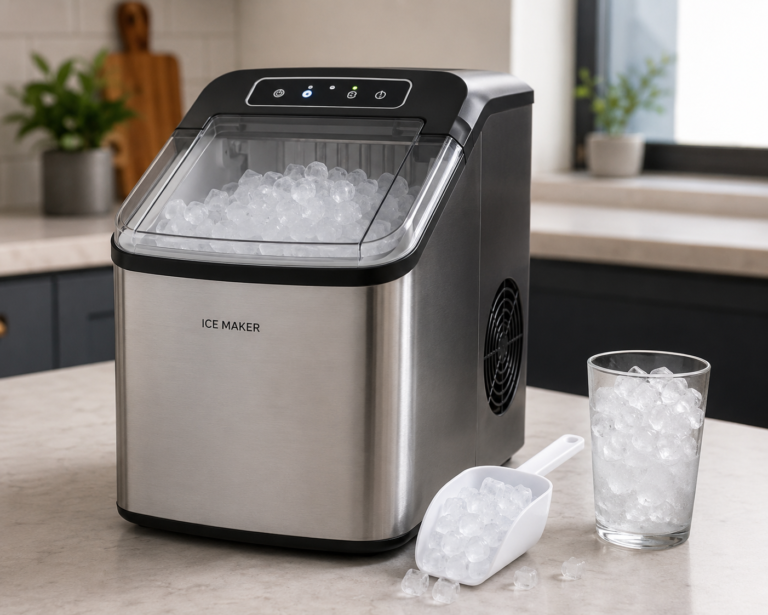
A portable ice maker is a convenient appliance that provides fresh ice in minutes. However, like any machine, it can sometimes stop working properly. If your ice maker not working as expected or not producing ice at all, there are several common issues that may be responsible.
In this guide, we’ll explain why your ice maker is not making ice and how you can troubleshoot the problem before seeking professional repair.
Why Is My Ice Maker Not Making Ice?
1. Low Water Level
Most portable ice makers require a sufficient amount of water in the reservoir to start the ice-making cycle. If the water level is too low, the machine may stop producing ice.
Solution:
- Check the water reservoir.
- Refill it with clean, fresh water.
- Make sure the water level reaches the recommended mark.
2. Dirty Water Pump
The water pump circulates water through the system to create ice. Over time, mineral deposits and debris can affect its performance.
Solution:
- Empty the machine.
- Clean the water reservoir and internal components.
- Run a cleaning cycle if your model supports one.
3. Blocked or Dirty Sensors
Ice makers use sensors to detect water levels and ice production. Dirty sensors may send incorrect signals, causing the machine to stop working.
Solution:
- Turn off the unit.
- Carefully clean the sensors with a soft cloth.
- Remove any dust, ice, or mineral buildup.
4. Mineral Buildup from Hard Water
Using hard water can lead to scale accumulation inside the machine, reducing efficiency and preventing normal ice production.
Solution:
- Clean the unit regularly using a manufacturer-approved descaling solution.
- Consider using filtered water for better performance.
5. Poor Ventilation
Ice makers generate heat while operating. If the machine is placed too close to walls or other appliances, it may overheat and stop making ice.
Solution:
- Leave adequate space around the unit.
- Ensure the ventilation openings are not blocked.
- Operate the machine in a cool environment.
6. Faulty Ice Basket Sensor
Many modern ice makers have sensors that stop production when the basket is full. If the sensor malfunctions, the machine may incorrectly think the basket is full.
Solution:
- Remove any ice from the basket.
- Clean the sensor area.
- Restart the machine and test again.
7. Internal Component Failure
If your ice maker not working despite trying the above fixes, an internal component such as the compressor, fan, or control board may be faulty.
Solution:
- Consult the user manual.
- Contact a qualified technician.
- Consider professional diagnosis and repair.
How to Reset an Ice Maker
Sometimes a simple reset can solve operational issues.
- Turn off the ice maker.
- Unplug it from the power outlet.
- Wait for 5–10 minutes.
- Plug it back in and restart the machine.
- Allow time for a new ice-making cycle to begin.
Tips to Keep Your Ice Maker Running Smoothly
To avoid future problems:
- Clean the machine regularly.
- Use filtered water whenever possible.
- Empty and dry the reservoir during long periods of non-use.
- Keep ventilation areas clear.
- Follow the maintenance instructions provided by the manufacturer.
Final Thoughts
If your ice maker is not making ice, the cause is often something simple such as low water levels, dirty sensors, mineral buildup, or poor ventilation. Following the troubleshooting steps above can help resolve many common issues. However, if your ice maker not working after cleaning and resetting the unit, professional servicing may be required.
With proper care and routine maintenance, your ice maker can continue producing fresh, reliable ice for years to come.